Committees
Committees
Committees
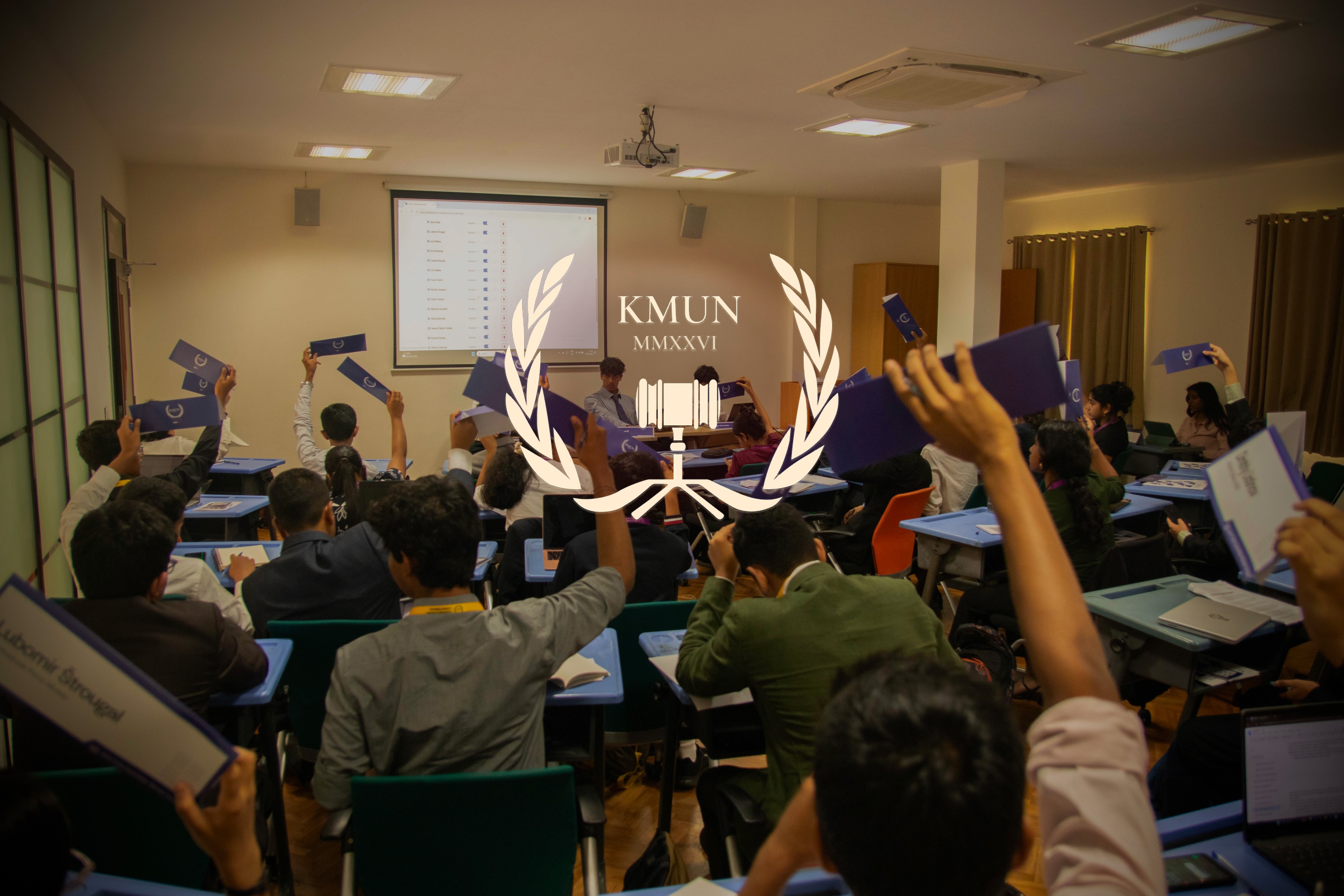
Model United Nations (MUN) is an educational simulation where students role-play as delegates of countries in various committees of the United Nations. Each committee focuses on specific areas of international affairs and allows delegates to debate, negotiate, and collaborate on resolutions to global issues. Here are some of the key committees commonly featured in MUN conferences:
Crisis
UN Bodies
Special Bodies
JCC I
Joint Crisis Committee
- Imperial Japanese Front
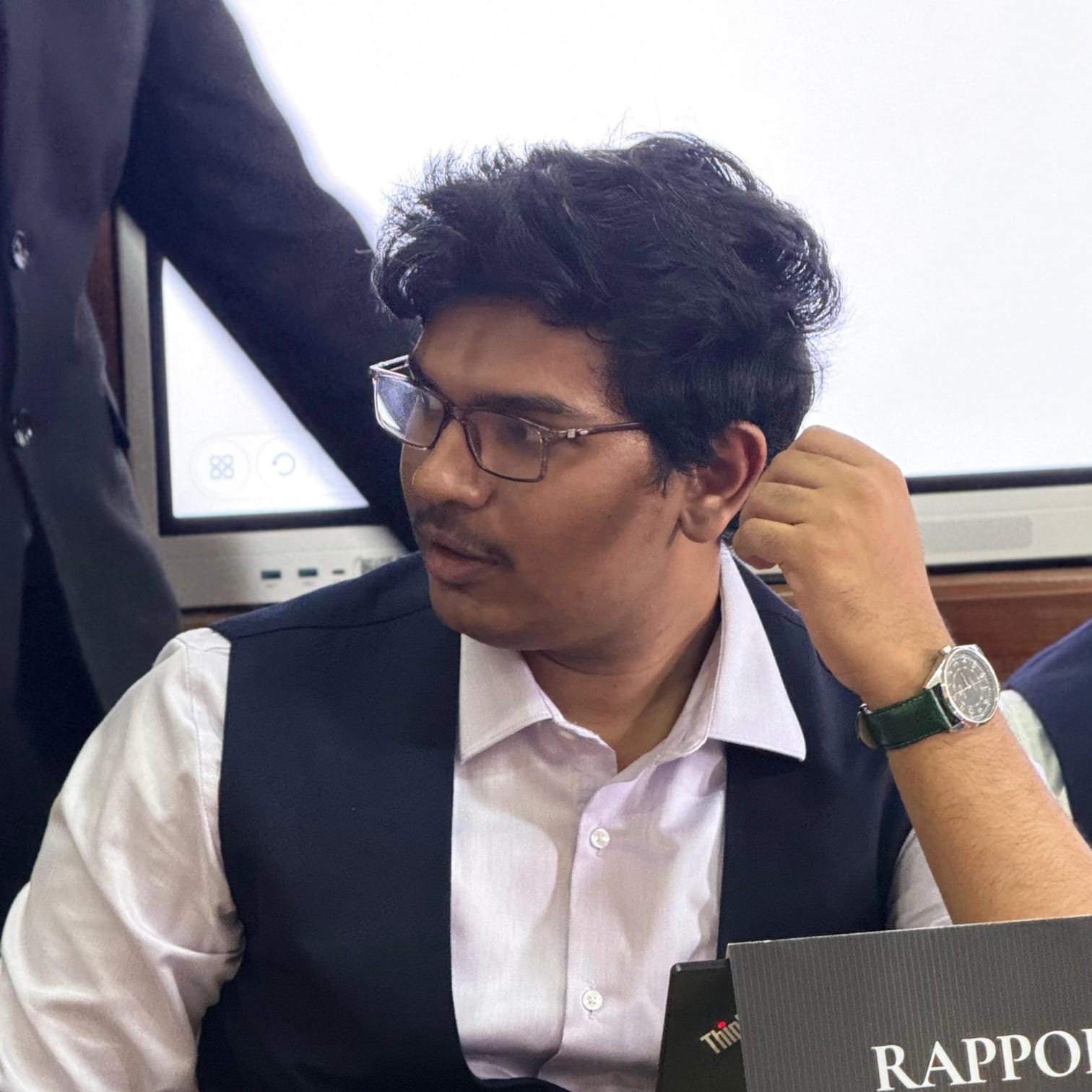
Jyothiraditya
DV
Chairperson
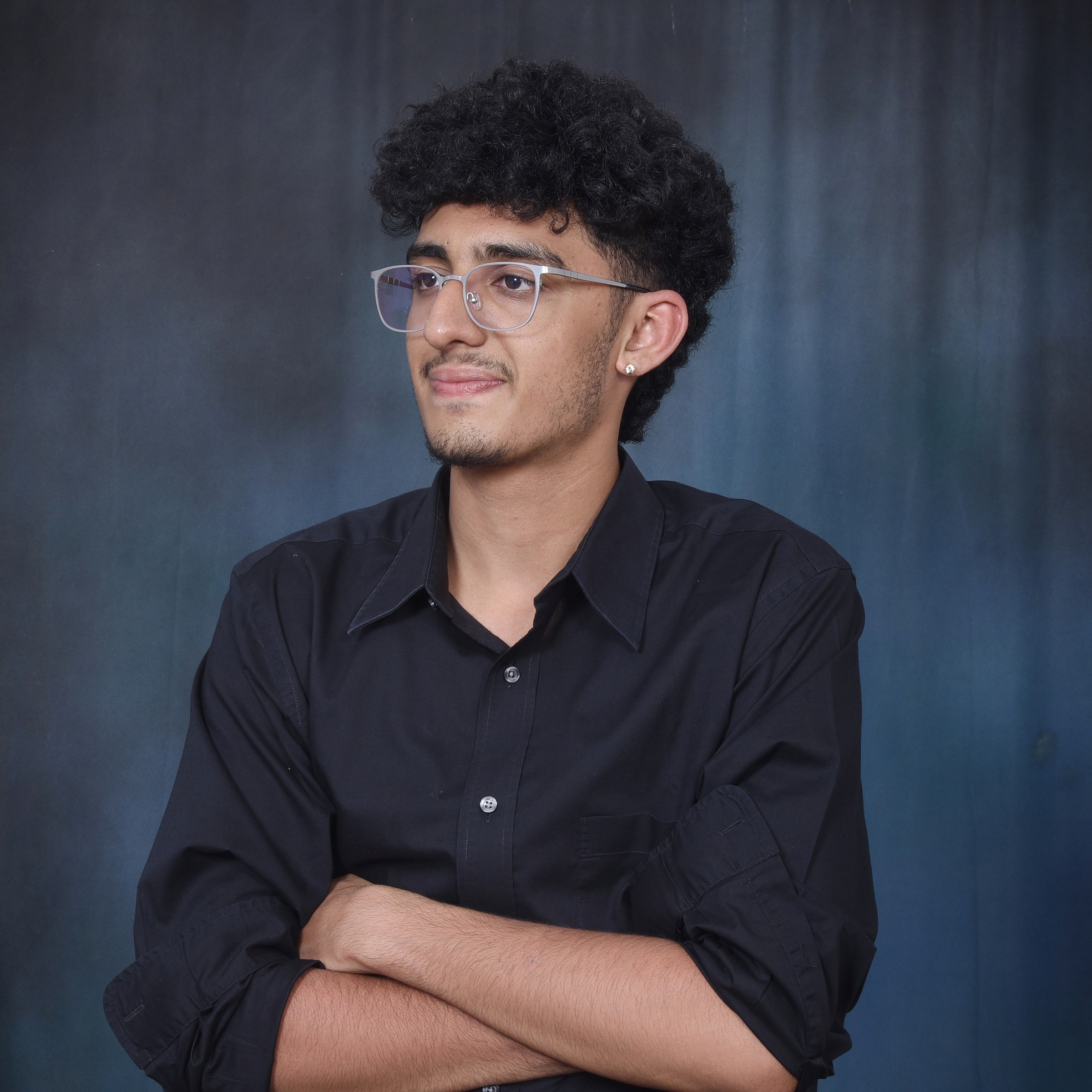
Vishnu Vinod
Kumar
Moderator
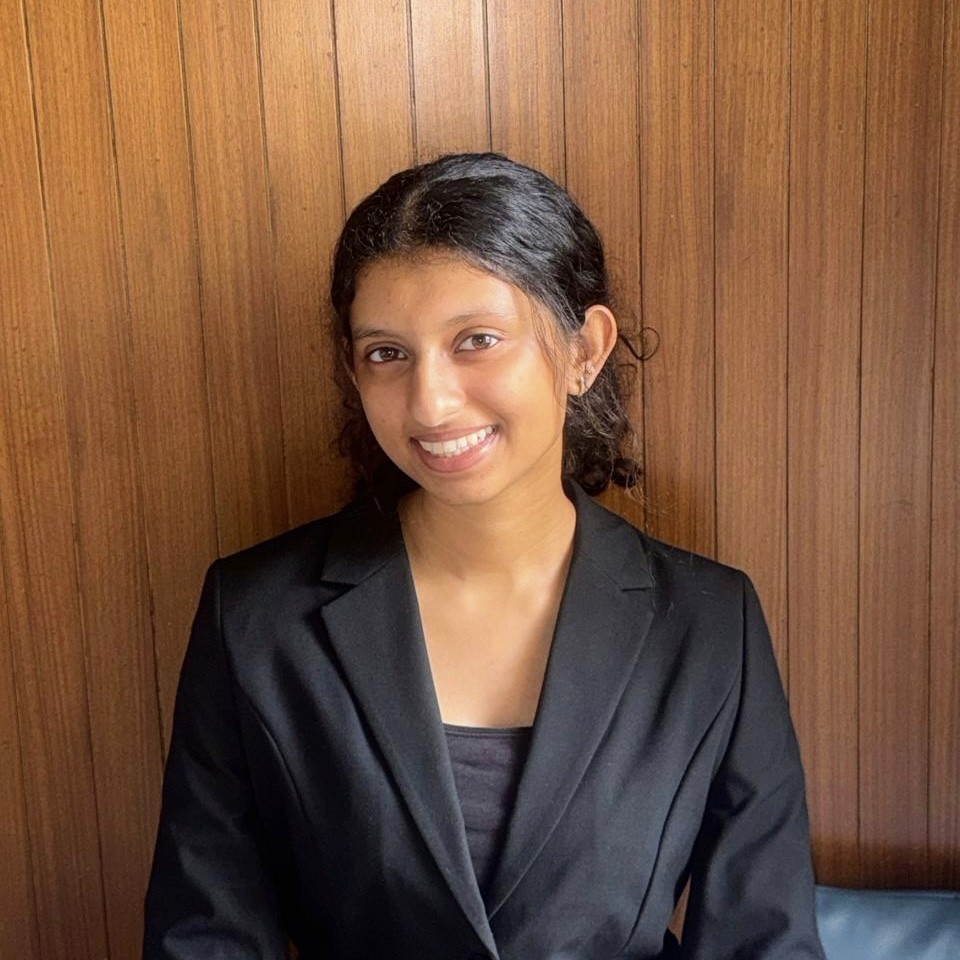
Manya
Bhaskar
Vice-Chairperson
JCC II
Joint Crisis Committee
- United Chinese Front
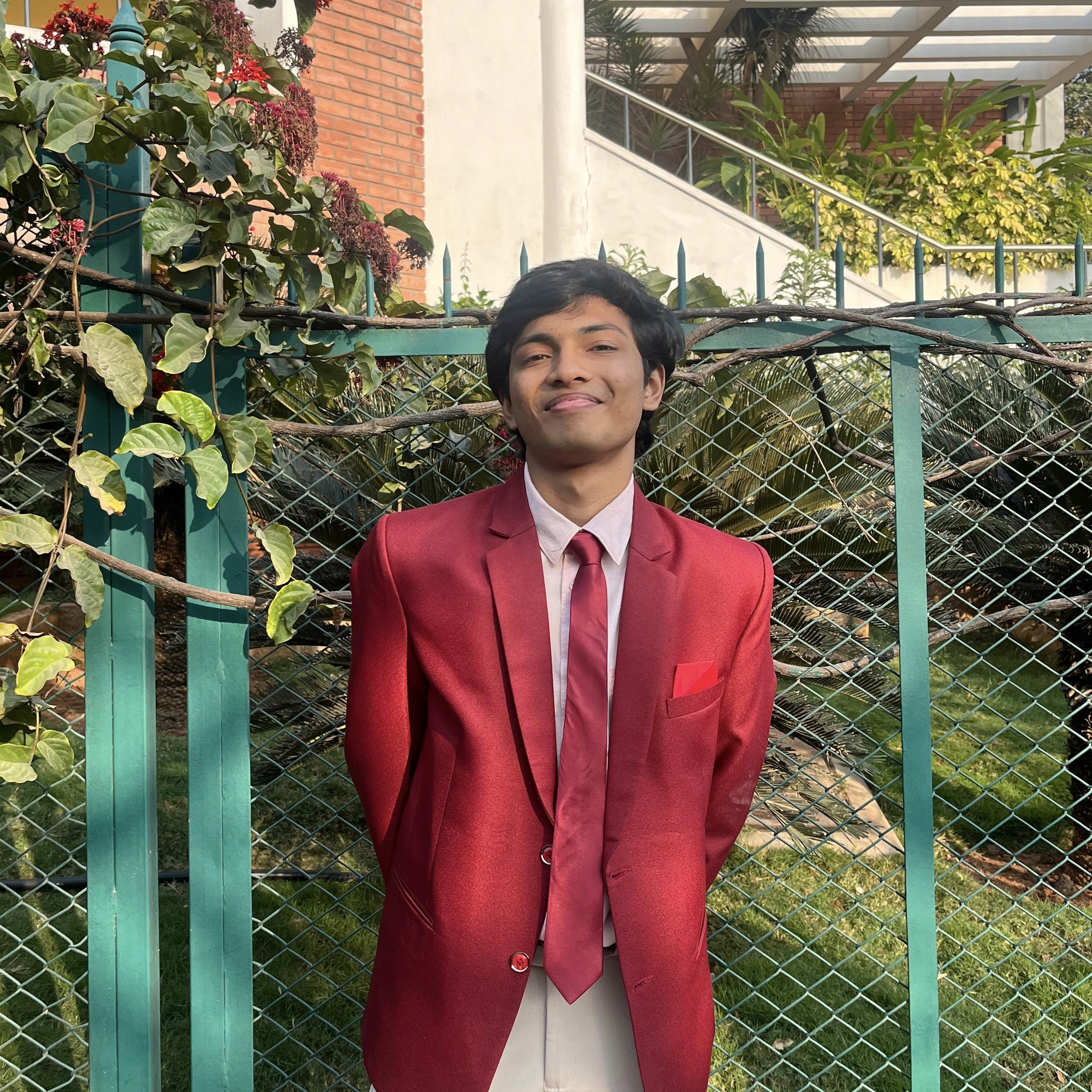
Sudhamshu
Ramprasad
Moderator
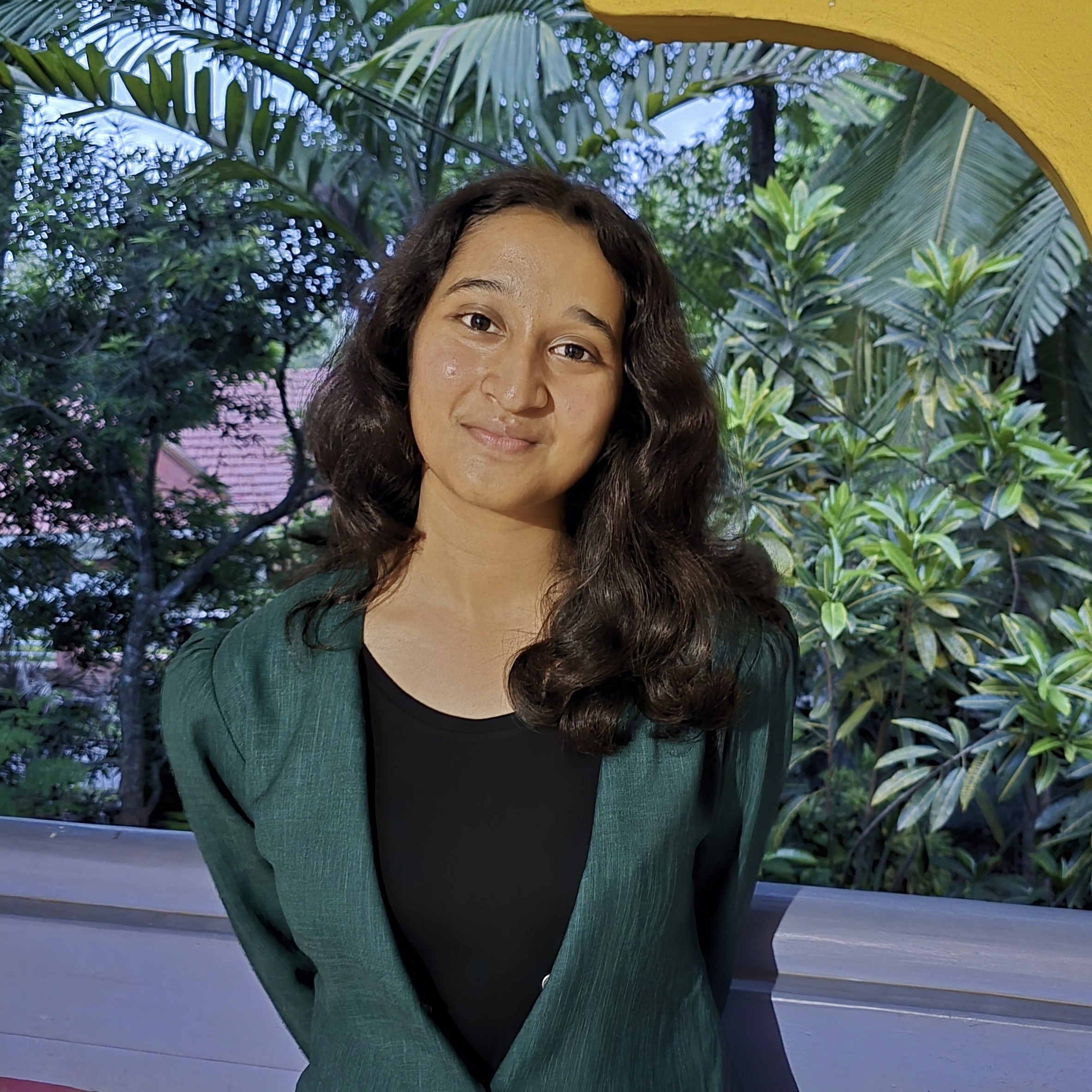
Trisha Menon
Vice-Chairperson
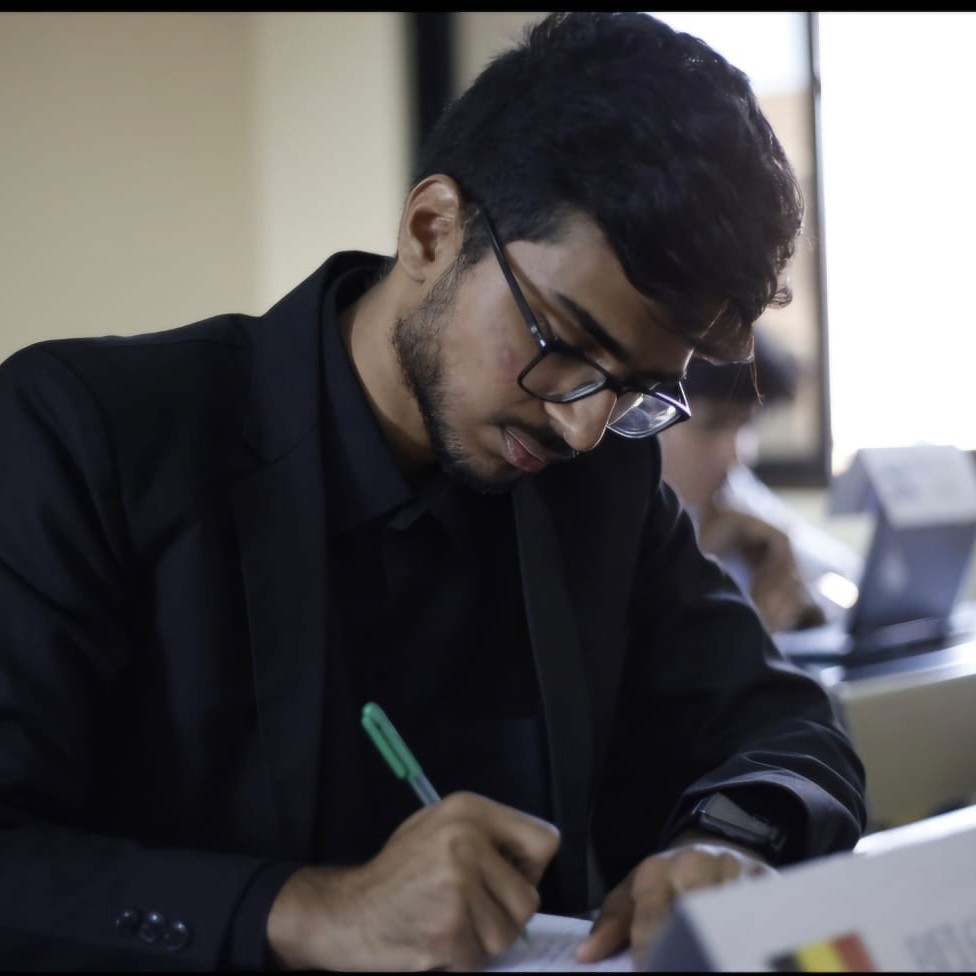
Abhishek
R Rao
Chairperson
Ad-Hoc
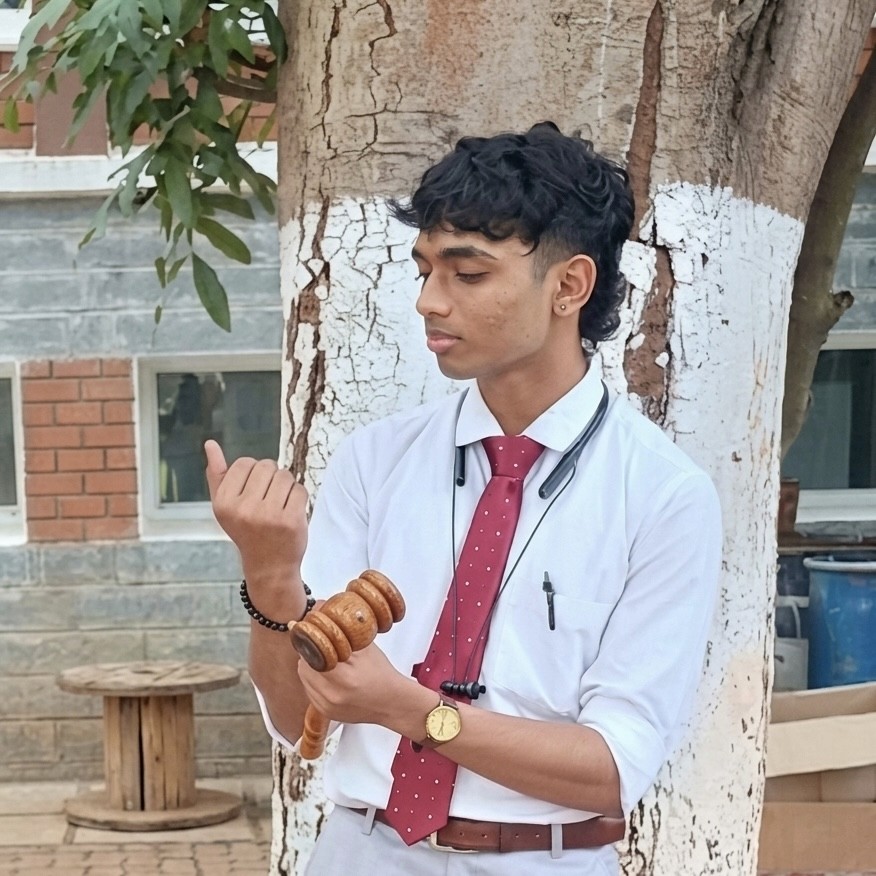
Shashwatha
Bhat
Chairperson
Shishir
Venkatraj
Moderator
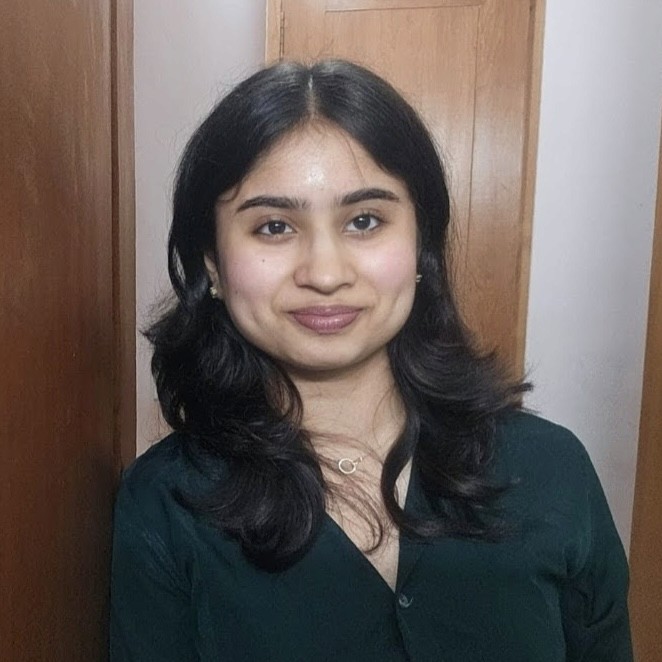
Arundhati
Sharma
Vice-Chairperson
Agenda
Fi Qadr al-Jahannam - The Levant Burns, 14/10/2014
Brief
Tap to see more
Model United Nations (MUN) is an educational simulation where students role-play as delegates of countries in various committees of the United Nations. Each committee focuses on specific areas of international affairs and allows delegates to debate, negotiate, and collaborate on resolutions to global issues. Here are some of the key committees commonly featured in MUN conferences:
Crisis
UN Bodies
Special Bodies
JCC I
Joint Crisis Committee
- Imperial Japanese Front
Jyothiraditya
DV
Chairperson
Vishnu Vinod
Kumar
Moderator
Manya
Bhaskar
Vice-Chairperson
JCC II
Joint Crisis Committee
- United Chinese Front
Sudhamshu
Ramprasad
Moderator
Trisha Menon
Vice-Chairperson
Abhishek
R Rao
Chairperson
Ad-Hoc
Shashwatha
Bhat
Chairperson
Shishir
Venkatraj
Moderator
Arundhati
Sharma
Vice-Chairperson
Agenda
Fi Qadr al-Jahannam - The Levant Burns, 14/10/2014
Brief
Tap to see more
Model United Nations (MUN) is an educational simulation where students role-play as delegates of countries in various committees of the United Nations. Each committee focuses on specific areas of international affairs and allows delegates to debate, negotiate, and collaborate on resolutions to global issues. Here are some of the key committees commonly featured in MUN conferences:
Crisis
UN Bodies
Special Bodies
JCC I
Joint Crisis Committee
- Imperial Japanese
Front
Jyothiraditya
DV
Chairperson
Vishnu Vinod
Kumar
Moderator
Manya
Bhaskar
Vice-Chairperson
Agenda
Crisis in East Asia - 1937
Brief
“How far can an empire go before ambition consumes it?”
The year is 1937 and the tides of a catastrophe echo across Asia as Japan and China stand on the brink of waging war against each other. A violent assault by Chinese troops shattered whatever fragile trust still remained between the two nations, sending shockwaves through Tokyo and igniting outrage across the Empire. Civilians lie massacred, the Army demands vengeance, and the dream of a diplomatic settlement dies in bloodshed, creating the spark for a war both sides had long been anticipating.
As Asia descends into chaos and the flames of war spread across the continent, Japan stands at the edge of greatness. Delegates are not just spectating history, but actively shaping it. Every decision made in these halls carry consequences, deciding the fate of generations and reshaping the world as we know it. History is not fixed. It will be written by delegates themselves. In the end, it is about understanding what an empire is willing to become in order to achieve victory.
JCC II
Joint Crisis Committee
- United Chinese Front
Sudhamshu
Ramprasad
Moderator
Trisha Menon
Vice-Chairperson
Abhishek
R Rao
Chairperson
Agenda
Crisis in East Asia - 1937
Brief
The summer of 1937 marks the end of "incidents" and the beginning of an existential struggle. With the fall of the Marco Polo Bridge and the bloody Tongzhou Mutiny in 1937, the United Chinese Front has emerged as the central authority navigating internal conflicts and endless imperial aggression. Facing an Empire that already holds Korea, Taiwan, and Manchuria, a politically fractured China has been forced into a desperate, fragile unity to safeguard its very survival
The United Chinese Front brings together an unlikely coalition of members. It binds together the Kuomintang (KMT) and the Communist Party (CCP) - two groups that, until months ago, were locked in a civil war of extermination , alongside autonomous regional warlords, shadowy intelligence operatives, gangsters and international financiers.
Delegates are tasked with managing the impossible. The United Chinese Front must decide:
How will the United Front arm and coordinate a largely agrarian peasant army against a mechanized Imperial force?
Ad-Hoc
Shashwatha
Bhat
Chairperson
Arundhati
Sharma
Vice-Chairperson
Shishir
Venkatraj
Moderator
Agenda
Fi Qadr al-Jahannam - The Levant Burns, 14/10/2014
Brief
14th October 2014. The Levant stands fractured. Borders are drawn with blood, and the flame fails to cauterize the wounds of war, as the region becomes a brutal mess of empires, ideologies, militias, and men who refuse to be forgotten.
In Damascus, Assad clenches his iron fist. In Raqqa, the black flags rise as the heads fall. In Kobani, a city becomes a symbol. From Washington to Moscow, Tehran to Riyadh, every soul claims to seek peace, yet every hand reaches for control.
Not a war on one front, against one enemy, or for one truth, but a fallout resulting from power, prophecy, ambition, and survival.
The Secretary General's Ad Hoc is not a meek debate on history. Delegates will dive into it, distort it, and decide what emerges.
As the Levant burns, neutrality remains fiction.
Model United Nations (MUN) is an educational simulation where students role-play as delegates of countries in various committees of the United Nations. Each committee focuses on specific areas of international affairs and allows delegates to debate, negotiate, and collaborate on resolutions to global issues. Here are some of the key committees commonly featured in MUN conferences:
Crisis
UN
Bodies
Special Bodies
JCC I
Joint Crisis Committee
- Imperial Japanese
Front
Jyothiraditya
DV
Chairperson
Vishnu Vinod
Kumar
Moderator
Manya
Bhaskar
Vice-Chairperson
JCC II
Joint Crisis Committee
- United Chinese Front
Sudhamshu
Ramprasad
Moderator
Trisha
Menon
Vice-Chairperson
Abhishek
R Rao
Chairperson
Ad-Hoc
Shashwatha
Bhat
Chairperson
Shishir
Venkatraj
Moderator
Arundhati
Sharma
Vice-Chairperson
Agenda
Fi Qadr al-Jahannam - The Levant Burns, 14/10/2014
Brief
Tap to see more
Model United Nations (MUN) is an educational simulation where students role-play as delegates of countries in various committees of the United Nations. Each committee focuses on specific areas of international affairs and allows delegates to debate, negotiate, and collaborate on resolutions to global issues. Here are some of the key committees commonly featured in MUN conferences:
Crisis
UN
Bodies
Special Bodies
JCC I
Joint Crisis Committee
- Imperial Japanese
Front
Jyothiraditya
DV
Chairperson
Vishnu Vinod
Kumar
Moderator
Manya
Bhaskar
Vice-Chairperson
JCC II
Joint Crisis Committee
- United Chinese Front
Sudhamshu
Ramprasad
Moderator
Trisha
Menon
Vice-Chairperson
Abhishek
R Rao
Chairperson
Ad-Hoc
Shashwatha
Bhat
Chairperson
Shishir
Venkatraj
Moderator
Arundhati
Sharma
Vice-Chairperson
Agenda
Fi Qadr al-Jahannam - The Levant Burns, 14/10/2014
Brief
Tap to see more
Follow us on other channels
for more updates.
Navigation
Resources
© Kumarans Model United Nations ~ 2026
Note: KMUN has a strict no refund policy.

Follow us on other channels
for more updates.
Navigation
Resources
© Kumarans Model United Nations ~ 2026
Note: KMUN has a strict no refund policy.
Follow us on other channels
for more updates.
Navigation
Resources
© Kumarans Model United Nations ~ 2026
Note: KMUN has a strict no refund policy.